
From Servers to Switchgear: A Step-by-Step Guide to e-Waste Recycling
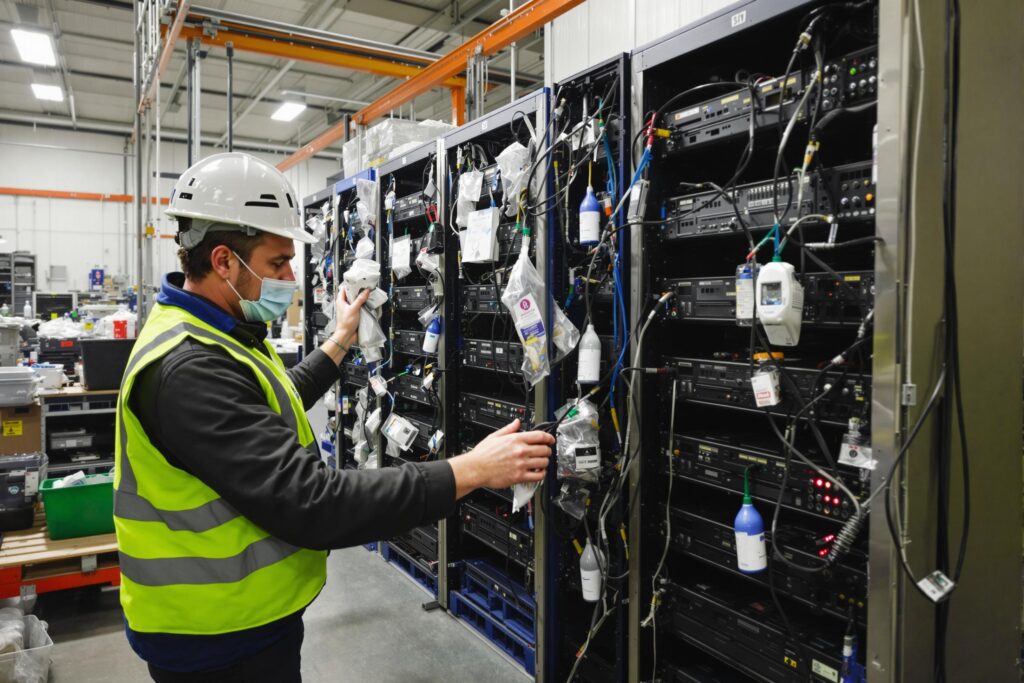
Electronic waste is one of the fastest-growing waste streams in the world—and mishandling it can lead to environmental damage, regulatory fines, and lost asset recovery. In this guide, we’ll walk through every phase of a best-practice e-waste recycling program, from on-site tear-down to certified disposal. Whether you’re an IT manager, facilities director, or sustainability officer, you’ll come away with an actionable roadmap to transform your retired hardware into reclaimed value and environmental wins.
1. Inventory & Classification
1.1 Conduct a Full Asset Survey
- Rack-by-rack walkthrough: Photograph, tag, and log every server, storage array, switch, PDU, and piece of switchgear.
- Digital inventory sheet: Capture make/model, serial numbers, and condition notes in a spreadsheet or asset-management tool.
1.2 Categorize Your Equipment
- Critical electronics: Servers, SAN/NAS arrays, networking switches.
- Power infrastructure: Power distribution units, uninterruptible power supplies, large breaker panels.
- Switchgear & breakers: MCCBs, motor starters, overhead busway segments.
1.3 Identify Hazardous Components
- Batteries & capacitors: Look for lead-acid or lithium cells.
- Mercury-containing devices: Older fluorescent lamps, some PCBs.
- Heavy-metal circuits: Older transformers and capacitors often contain PCBs or PCNBs.
2. Safe Disconnection & Removal
2.1 Develop a Site-Specific Removal Plan
- Lockout-Tagout (LOTO) procedures for every power panel.
- Shutdown windows: Coordinate with operations teams to avoid unplanned outages.
- Team assignments: Define who handles power isolation vs. data-cabling vs. heavy-lift tasks.
2.2 Disconnect Power & Data Cabling
- Label everything: Color-code or bar-code cables to preserve traceability.
- ESD-safe handling: Use wrist straps and anti-static bags for circuit boards and drives.
2.3 Dismantle Racks & Switchgear
- Lightweight vs. heavy gear: Rack rails and blanking plates go in small bins; MCCBs and busway segments require forklifts or hoists.
- Material separation: Strip out copper conductors, steel frames, plastic blanking panels, and PCBs into separate piles.
3. Secure Transport & Logistics
3.1 Choosing the Right Transport Partner
- Certified carriers: Look for climate-controlled, fully insured freight providers experienced with electronics.
- Chain-of-custody protocols: Ensure your carrier can provide digital receipts at each hand-off.
3.2 Packaging Best Practices
- Anti-static protection: Place sensitive electronics in anti-static bags with cushioning.
- Crates & pallets: Heavy switchgear and breaker panels should be banded on pallets or in wood crates.
3.3 Chain-of-Custody Tracking
- Barcoding/RFID: Attach scannable tags to every pallet or crate.
- Digital logs: Use a simple app or spreadsheet to timestamp pick-up, transfer, and delivery events.
4. Asset Testing & Refurbishment
4.1 Functional Testing Protocols
- Power-on checks: Verify servers boot to BIOS, drives spin up, and networking ports link.
- Diagnostic utilities: Run memory tests, SMART drive scans, and firmware version checks.
4.2 Refurbishment vs. Recycling Decision Tree
- Good health & current generation → Refurbish and remarket
- Minor issues but repairable → Repair and resale
- Obsolete or damaged → Full recycling
4.3 Remarketing Channels
- Certified resellers: Many specialize in refurbished enterprise gear.
- Equipment exchanges: Online marketplaces (e.g., IronWolf Exchange, TechTrader).
- Direct buy-back: Your decommissioning partner may offer a turnkey buy-back program.
5. Certified Recycling & Disposal
5.1 Selecting a Certified Recycler
- R2/SERI or e-Stewards: These industry certifications guarantee responsible handling.
- ISO 14001: Shows an environmental-management commitment.
5.2 Material Separation & Processing
- PCBs & circuit boards: Removed and shredded per regulation.
- Metals: Copper, aluminum, steel sorted and sent to metal recyclers.
- Plastics: Sorted by resin type (ABS, PVC, etc.).
5.3 Hazardous-Waste Handling
- Battery disposal: Send lead-acid and lithium cells to specialized processors.
- Mercury lamps & CRT glass: Managed under local hazardous-waste mandates.
6. Documentation & Reporting
6.1 Certificates of Recycling & Destruction
- What clients need: A signed, dated certificate that outlines materials processed and final disposition.
- Why it matters: Proof for auditors, regulators, and corporate ESG teams.
6.2 Detailed Audit Reports
- Material breakdown: Pounds or kilograms by material type (e.g., 1,200 lbs copper, 500 lbs PCBs).
- Environmental metrics: CO₂ avoided, landfill space diverted, energy savings equivalents.
6.3 Integrating with ESG Reports
- Data formats: Supply CSV or PDF summaries that map directly into your sustainability KPIs.
- KPI templates: We provide ready-to-use tables for “% recycled,” “tons diverted,” and “value reclaimed.”
7. Continuous Improvement
7.1 Post-Project Debrief
- Lessons learned: What went smoothly? What caused delays?
- Process tweaks: Update LOTO checklists, refine cable-labeling conventions.
7.2 KPI Monitoring
- Cost per pound recycled
- Turnaround time: From survey to final certificate
- Asset-recovery rate: % of total equipment remarketed vs. recycled
7.3 Process Refinement
- Training updates: Refresh technician and project-manager playbooks.
- Checklist versioning: Use cloud-based templates to push real-time revisions.
8. Conclusion & Next Steps
E-waste recycling isn’t just about disposal—it’s an opportunity to reclaim value, demonstrate environmental stewardship, and eliminate regulatory risk. By following this seven-phase roadmap, you’ll turn retired servers, switchgear, and PDUs into certified, audited successes.
Ready to get started?
- Download our free E-Waste Recycling Checklist & Template Pack.
- Schedule a no-obligation on-site survey with Decommission.com.
- Partner with our R2/SERI-certified experts to maximize asset recovery and sustainability metrics.
Let’s retire your legacy infrastructure safely, efficiently, and compliantly—together.