
Maximizing Asset Recovery: Tips for Reclaiming Value from Your Retired Electrical Equipment
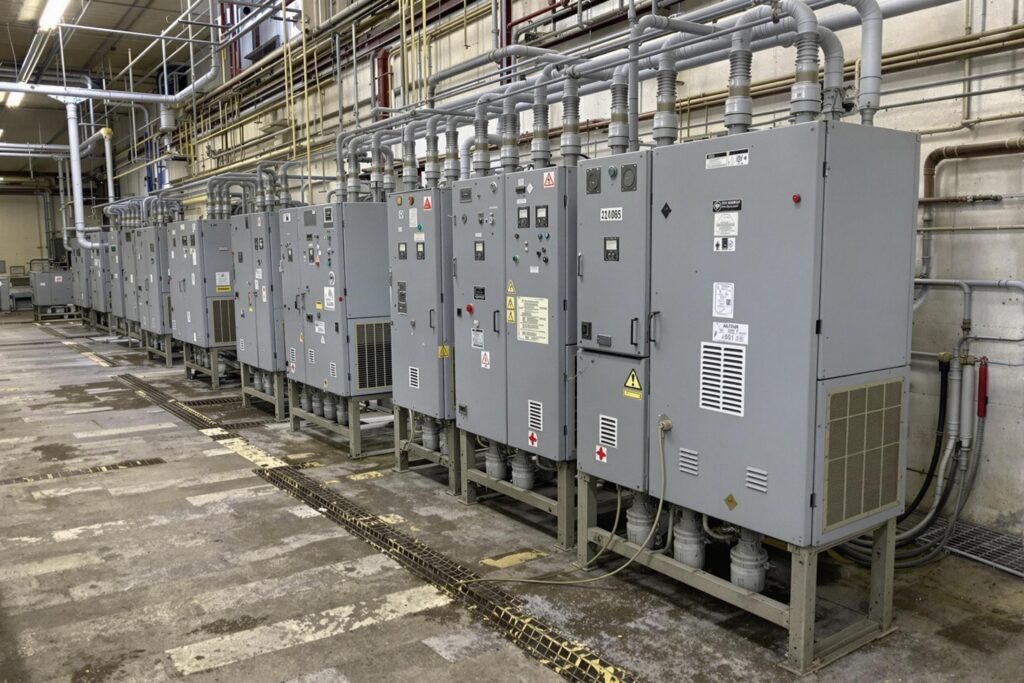
When it’s time to retire breakers, switchgear, transformers, and other electrical assets, the default often feels like: “Let’s just scrap it.” But what if instead you could turn that end-of-life hardware into fresh revenue, slash your total cost of ownership, and even strengthen your sustainability metrics? In this guide, we’ll walk you through a proven, six-phase approach to audit, test, refurbish, and remarket your retired electrical equipment—unlocking hidden value every step of the way.
1. Comprehensive Asset Audit
1.1 Create a Complete Inventory
Begin by tagging every piece of equipment slated for decommissioning:
- Circuit breakers & MCCBs: Note make, model, trip setting, and date last tested.
- Switchgear & motor starters: Record series, voltage rating, and any custom modifications.
- Transformers & PDUs: Capture kVA rating, insulation class, and maintenance history.
Use barcode or RFID tags to link each asset to a digital spreadsheet or asset-management tool. Photographs of serial plates and wiring configurations help avoid surprises later.
1.2 Determine Marketability
Not all gear is created equal—some models command top dollar on the secondary market, while others have little resale value.
- High-demand units: Recent-generation breakers from major OEMs (Eaton, Schneider, ABB).
- Obsolete or niche items: Look for firmware-upgrade paths or parts-only demand.
Then categorize your list into “Remarket,” “Refurbish,” and “Salvage” buckets.
1.3 Set Realistic Value Estimates
Leverage online resources—auction results, B2B marketplaces, and broker quotes—to assign ballpark values:
- Sticker price: What a brand-new unit costs today.
- Secondary market: Typical sale price for “good condition” used gear.
- Parts value: For salvage items, scrap-metal rates plus PCB value.
This upfront valuation helps prioritize resources and set your target recovery rate.
2. Functional Testing & Refurbishment
2.1 Diagnostic Testing Protocols
Before sending anything to market, confirm it works safely and reliably:
- Breakers & switchgear: Perform hi-pot (dielectric) and continuity tests.
- Transformers & cables: Run insulation-resistance (megger) tests and verify ratio accuracy.
Document test results in a standard report template and flag any failed units for repair or salvage.
2.2 Repair vs. Salvage Decision Tree
Establish clear rules for what stays in the “refurbish” pipeline:
- Minor mechanical issues (worn contacts, faulty springs) → Repair in-house or via specialist
- Firmware/PCB faults → Send to certified electronics refurbisher
- Structural damage or end-of-life → Strip for metals and plastics
Every refurbished unit should get a “Tested & Certified” label, boosting buyer confidence.
2.3 Standards & Certifications
Adhere to recognized industry standards:
- IEC 60947 for low-voltage switchgear
- UL 489 for circuit breakers
Issue a compliance certificate with each unit—this differentiator can add 10–20% to your resale price.
3. Strategic Remarketing Channels
3.1 Certified Resellers & Brokers
Partner with dealers who specialize in industrial electrical gear. They handle:
- Grading, staging, and marketing
- Logistics and international shipping
Some offer direct buy-back programs at guaranteed rates.
3.2 Industry Marketplaces
List prime assets on niche B2B platforms:
- MachineTools.com and SurplusElectronics.com for switchgear and breakers
- Global industrial exchanges that connect you to end-users in Asia and Europe
High-quality photos and detailed test reports will set your listings apart.
3.3 In-House Remarketing
Don’t overlook internal channels:
- Company surplus store: Offer discounted gear to other sites or departments.
- Employee purchase program: Allow staff to buy at a small markup, boosting morale and minimizing logistics.
4. Packaging, Logistics & Chain-of-Custody
4.1 Safe Handling & Packaging
Protect value with proper materials:
- Antistatic bags for PCB-containing controls
- Wooden crates or skids for heavy switchgear panels, secured with banding
4.2 Carrier Selection
Choose a freight partner that offers:
- Lift-gate service for pallets
- Full insurance coverage for high-value loads
- Temperature-controlled shipping if you have sensitive electronic components
4.3 Tracking & Documentation
Scan barcodes or RFID tags at pickup and delivery. Maintain a digital shipping log that timestamps every handoff—critical for liability claims and audit trails.
5. Financial Reconciliation & Reporting
5.1 Revenue vs. Cost Analysis
After sales complete, compare:
- Gross proceeds from sales
- Total costs: testing, repair, packaging, and logistics
Your net gain per asset category reveals which items yield the best ROI.
5.2 KPI Dashboard
Track key performance indicators:
- Asset-recovery rate = (Recovered value ÷ Original book value) × 100%
- Cash conversion cycle = Days from decommission to payment receipt
- Average days to sale
Display these metrics on a live dashboard to spot trends and tweak your process.
5.3 Integrate into Corporate Finance
Map recovered revenues into your P&L as “Miscellaneous Income” or a dedicated “Asset Recovery” line. Use standardized templates to satisfy auditors and support your sustainability reporting.
6. Leveraging Partnerships & Recurring Programs
6.1 Long-Term Reseller Agreements
Negotiate volume-based pricing or guaranteed buy-back rates with your favorite broker. Schedule quarterly reviews to adjust pricing based on market trends.
6.2 Vendor-Managed Take-Back Programs
Some OEMs and remanufacturers will handle decommissioning, refurbishment, and remarketing for you—often under a revenue-share model.
6.3 Building a Sustainable Cycle
Plan equipment refreshes on a 3–5 year cadence, forecasting expected recovery revenue in your capital expense budgets. This turns decommissioning into a predictable profit center rather than a one-off expense.
Conclusion & Resource Toolkit
Maximizing asset recovery isn’t a “nice to have”—it’s a strategic lever that reduces costs, boosts your bottom line, and strengthens your green credentials. By following this six-phase roadmap, you’ll transform retired breakers, switchgear, and transformers into verifiable revenue streams.
Ready to unlock hidden value?
Contact the team at Decommission.com for a complimentary recovery assessment, and start turning your next decommission into a revenue-driving success story.