
How to Build a Bulletproof Decommissioning Timeline for Your Next Facility Exit
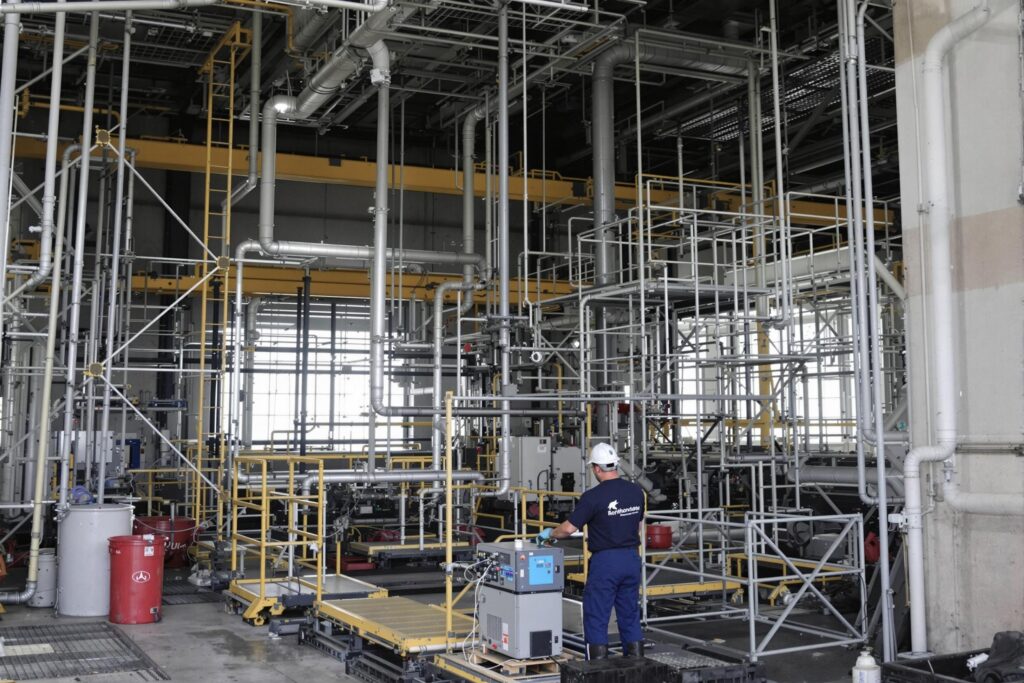
Decommissioning a facility—whether it’s a data center, manufacturing floor, or R&D lab—is one of those projects where “on time and under budget” isn’t just a bonus; it’s mission-critical. Missed deadlines can mean unplanned downtime, hefty regulatory fines, and frustrated stakeholders. But with a well-structured timeline in hand, you’ll anticipate every permit lead time, work window, and potential roadblock before it ever becomes an issue.
Below, we walk through a seven-phase process to craft a rock-solid decommissioning schedule. At the end, you’ll find a link to download a fully editable timeline template that you can plug right into your next exit project.
1. Project Kickoff & Scope Definition
1.1 Stakeholder Alignment
First, gather your core team: operations, IT, safety, finance, and any third-party vendors. Establish a single project owner who will consolidate updates and drive decisions. Agree on a regular communication rhythm (e.g., twice-weekly status calls) and a simple escalation path when critical issues arise.
1.2 Scope Document
Create a detailed inventory of every asset slated for removal:
- IT gear: servers, network switches, storage arrays
- Power infrastructure: PDUs, UPS systems, switchgear, MCCBs
- Facility fixtures: cable trays, raised-floor tiles, extinguishers
Attach site layouts, one-line power diagrams, and clear photos to avoid “surprise” equipment on teardown day.
1.3 Timeline Parameters
Pin down your target exit date—this may be driven by a lease expiration, regulatory deadline, or corporate directive. Then layer in:
- Permit cut-off dates (we’ll tackle those in Phase 3)
- Budgetary constraints (labor days, rental equipment caps)
- Resource windows (vendor availability, maintenance blackout periods)
2. Site Survey & Risk Assessment
2.1 Physical Walkthrough
Walk the site with technicians and safety leads. Confirm that the inventory matches reality. Photograph any high-risk areas such as:
- Asbestos-lined panels
- Elevated switchgear on mezzanines
- Obstructed cable runs
2.2 Technical Audit
Assess non-standard configurations (custom busway, obsolete breakers) and any missing or expired permits. Note environmental hazards—oil-filled transformers, PCB capacitors, and legacy fluorescent lamps.
2.3 Risk Register
Compile every potential show-stopper into a simple spreadsheet:
| Risk | Probability | Impact | Mitigation Owner |
|---|---|---|---|
| Permit delay >30 days | Medium | High (shutdown postponed) | Permitting lead |
| Truck staging blocked | Low | Medium | Logistics coordinator |
| Hazardous material discovered | Low | High (work stoppage) | Environmental safety officer |
Assign “probability” and “impact” ratings, then sketch out high-level mitigation steps so you’re not scrambling when things go sideways.
3. Permit & Shutdown Window Scheduling
3.1 Permits and Notifications
Most electrical and environmental permits require 2–6 weeks lead time. List each permit type, its jurisdiction, and expected turnaround:
- Electrical disconnect permit (City X) – 4 weeks
- Hazardous-waste transport permit (State Y) – 3 weeks
- Fire-watch notification letter – 1 week
3.2 Lockout-Tagout (LOTO) Planning
Map your power-isolation sequence so you never pull the wrong breaker and take down live production circuits. Draft a clear LOTO checklist with responsible names and phone numbers.
3.3 Shutdown Windows
Rather than “all at once,” break your exit into zones or racks:
- Zone A: Racks 1–10 (Day 1–2)
- Zone B: Switchgear 1 & 2 (Day 3–4)
- Zone C: UPS & PDU removal (Day 5–6)
- Contingency days: 2 extra days built in
That way, an unexpected permit hiccup only impacts one zone, not your entire project.
4. Resource & Logistics Planning
4.1 Team Assignments
Identify your core crew and backup resources:
- Decommission lead: overall project manager
- Electricians: 2 full-time
- Data-cabling techs: 1 floating specialist
- Riggers/forklift operators: as needed
Confirm each person’s availability for your scheduled shutdown windows.
4.2 Equipment and Tooling
Reserve all required gear in advance:
- Forklifts, man-lifts, pallet jacks
- Anti-static packaging, cable-label printers
- Wood crates and banding tools
4.3 Transport Coordination
Book your carrier at least three weeks out. Provide them your chain-of-custody tagging system (barcodes, RFID tags) so they can scan at pickup and delivery. Block‐out shipping windows in your timeline to avoid last-minute scramble.
5. Execution & Monitoring
5.1 Daily Stand-Ups
Every morning, hold a 10-minute huddle:
- What was completed yesterday?
- What’s on today’s docket?
- Any new risks or roadblocks?
5.2 Progress Tracking
Use a simple Gantt chart or Kanban board to visualize progress. Key metrics to monitor:
- % of assets decommissioned vs. plan
- Hours ahead/behind schedule
- Number of permit approvals outstanding
5.3 Issue Escalation
When a blocker pops up—say, a permit office calls to say an environmental form is missing—your escalation path should be:
- Permitting lead addresses directly
- If unresolved in 24 hours, project owner escalates to legal/operations
- If still unresolved in 48 hours, schedule a “contingency crash day” to absorb the delay
6. Testing & Validation
6.1 Post-Removal Walkthrough
Once the last cable is pulled, do a final walkthrough:
- Verify every breaker is tagged “De-energized.”
- Confirm no live conductors remain.
- Check data-network cabling for stray active links.
6.2 Environmental Inspection
Ensure no hazardous-waste residue (oil drips, PCB fragments) remains. Confirm your staging areas are cleared and ready for recycling.
6.3 Sign-Off & Handback
Gather all LOTO lockout logs, completion certificates, and punch-list sign-offs from site safety and operations. Archive digital photos and inspection reports for your records.
7. Documentation & Handover
7.1 Final Deliverables
Provide your client with:
- Certificate of Destruction (for any switchgear or high-risk gear)
- Asset-Recovery Reconciliation Report (what was remarketed vs. recycled)
7.2 Lessons-Learned Workshop
Hold a 1-hour debrief with your core team:
- Which milestones you nailed?
- Where did the timeline slip—and why?
- Capture improvement actions to update your template.
7.3 Handover Packet
Assemble a digital folder containing:
- As-built drawings and updated one-line diagrams
- Final audit reports and hefty appendix of photos
- Key vendor and regulatory contact list for ongoing support
Conclusion
A bulletproof decommissioning timeline isn’t just a plan on paper—it’s your playbook for avoiding shut-off surprises, cost overruns, and compliance headaches. By following these seven phases—from kickoff and risk assessment all the way through final sign-off—you’ll enter every facility exit with clarity, confidence, and control.